
- You are here:
- Home »
- Permaculture & Homesteading »
- EcoMotion: Orchestrating Nature and Tech for Sustainable Mobility

EcoMotion: Orchestrating Nature and Tech for Sustainable Mobility
Introduction
Mobility is undeniably integral to the ebb and flow of contemporary society, facilitating our daily commutes, shaping our cities, and fueling economic growth.
Yet, as we stand at the intersection of progress and sustainability, it becomes increasingly clear that our current trajectory of urban transport is not aligned with the environmental stewardship our planet demands.
The necessity for sustainable practices has emerged not merely as a consideration but as an imperative—a clarion call compelling us to reimagine the very essence of how we move.
Enter permaculture, a design ethos rooted in the replication of patterns observed in the natural environment to develop self-supporting ecosystems.
It is a philosophy that prizes resilience, interconnectivity, and the cyclical use of resources.
As we confront the challenge of redefining mobility, permaculture’s principles beckon with a promise of integration and balance.
The question before us is not one of possibility but of translation—how do we apply the wisdom of natural equilibrium to the complexity of urban transport?
This inquiry invites us to envision mobility systems that are not extractive but regenerative, not isolated but interconnected, and not rigid but adaptable.
It encourages us to view our streets not as mere conduits for conveyance but as lifelines that can support urban vitality and ecological health.
By embracing permaculture’s tenets, we can begin to craft a mobility paradigm that not only transports us physically but also propels our communities towards greater sustainability and resilience.
Yet, the implementation of such a transformative approach is multifaceted.
It requires an amalgamation of innovative technology, community engagement, and policy reform—all grounded in the principles of ecological design.
As we embark on this journey, we must consider not only the destination but also the path we take to reach it, ensuring that the route we choose is paved with intention, foresight, and a deep reverence for the natural world that sustains us.
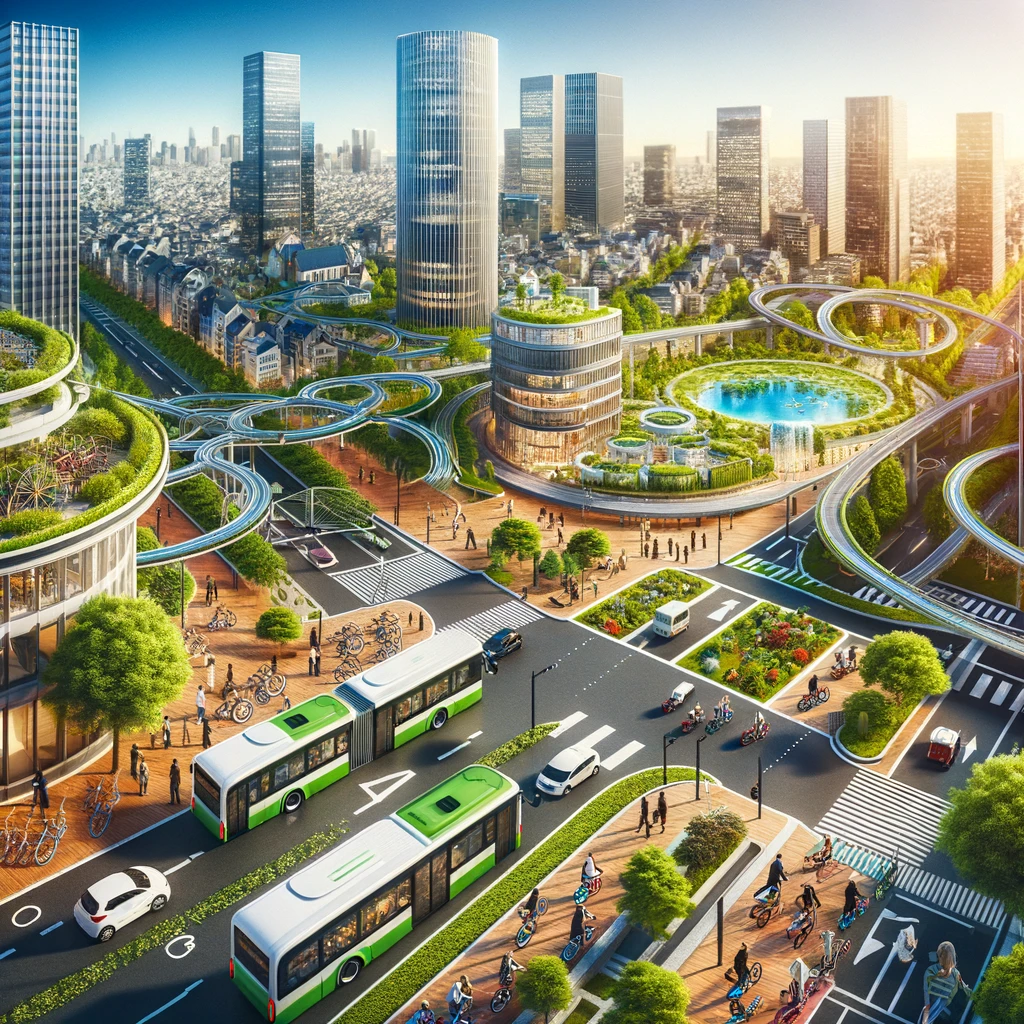
Observation and Integration: Crafting a Transport Ecosystem
At the heart of permaculture lies a profound respect for the natural order, emphasizing the need to observe and integrate with our surroundings rather than imposing upon them.
This philosophy calls for a deep understanding of the local environment, recognizing the inherent value in each element and the potential for a symbiotic relationship between them.
It’s a practice rooted in the belief that every component of an ecosystem can work together in harmony, contributing to a whole that is greater than the sum of its parts.
When we apply the ethos of permaculture to urban mobility, we’re not just creating transportation systems; we’re cultivating an ecosystem within the urban fabric.
This means developing transport solutions that are acutely attuned to the specific needs and nuances of the communities they serve.
Such systems are designed with the goal of not only getting people from one place to another but doing so in a way that nourishes the community and the environment simultaneously.
In practical terms, this could manifest as public transport routes that adapt to the natural flow of the city, bike lanes that promote harmony between riders and the local wildlife, or the use of materials and technologies that draw from and give back to the local environment.
It’s about creating a mobility system that respects the local ecosystem’s capacity and character, minimizing environmental impact through the use of renewable energy sources, reducing emissions, and promoting biodiversity.
The aim is to achieve a seamless integration of movement within the urban landscape, ensuring that mobility is a force for good, enhancing the quality of life without detracting from the ecological or social fabric of the community.
This is the essence of efficiency in a permaculture-inspired mobility system—not just in terms of speed and convenience but in the broader context of sustainable and ethical stewardship of the environment.

Capturing and Storing Energy: Zero-Emission Vehicles and Rechargeable Infrastructures
The principle of permaculture that focuses on the prudent capture and storage of energy, a concept that is vital for creating sustainable systems.
In the context of mobility, this principle underscores the importance of transitioning towards energy sources and transportation methods that leave a minimal environmental footprint.
By advocating for the adoption of electric vehicles (EVs), bicycles, and other zero-emission transportation modes, we are essentially tapping into cleaner energy forms that align with the natural cycles of energy production and consumption.
Electric vehicles, in particular, represent a significant leap forward in this regard.
When these vehicles are paired with a robust infrastructure of charging stations that draw power from renewable energy sources like solar, wind, or hydroelectric systems, we create a closed-loop system that mirrors the energy efficiency found in natural ecosystems.
This approach not only reduces reliance on fossil fuels but also ensures that the energy used for mobility is replenished in a sustainable manner, much like how a forest regrows after a harvest.
Bicycles and other human-powered modes of transport take this concept even further by relying on human energy, thus leaving an almost negligible carbon footprint.
Promoting their use not only captures the ‘human energy’ but also encourages healthier lifestyles and reduces traffic congestion.
The integration of dedicated bike lanes and secure bicycle parking can further enhance their viability as a primary mode of transportation in urban settings.
The shift towards zero-emission modes of transport, supported by renewable energy charging infrastructures, is a transformative step that resonates deeply with permaculture’s sustainable ethos.
It represents a future where our mobility patterns are in sync with the planet’s renewable energy flows, contributing to a cleaner, greener, and more sustainable world.
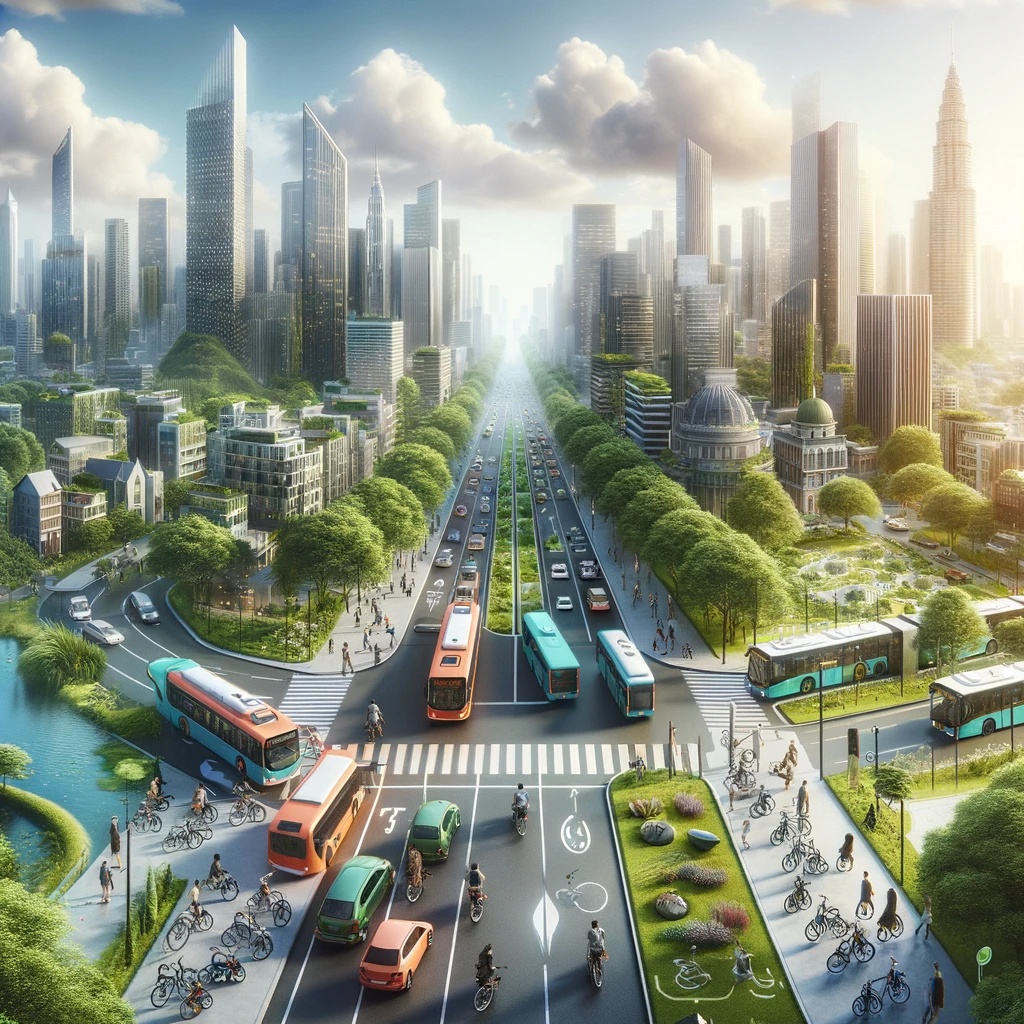
Obtaining a Yield: Mobility as a Service
In the realm of permaculture, the concept of yielding a harvest extends beyond just agricultural output.
It symbolizes the fundamental idea that every element within a system should contribute meaningful value.
This holistic approach, when applied to the sector of mobility, opens up innovative avenues for how we perceive and utilize transportation.
Envision, for instance, the implementation of car sharing and bike sharing services.
These are not mere conveniences; they are pivotal elements in a sustainable mobility ecosystem.
Car sharing services significantly reduce the number of vehicles on the road.
By doing so, they address critical urban challenges such as traffic congestion, limited parking spaces, and air pollution.
This reduction in vehicle numbers directly contributes to a decrease in carbon emissions, aligning with the permaculture principle of creating systems that are environmentally conscious and sustainable.
Bike sharing, on the other hand, adds another layer of value.
It promotes active transportation, contributing to public health and well-being.
It also offers a level of flexibility and accessibility that is often unmatched by more traditional forms of public transport.
Bike sharing systems can easily be integrated into existing urban landscapes, offering a quick, eco-friendly, and cost-effective transit option for short-distance travel.
Moreover, they encourage a more intimate interaction with the urban environment, fostering a sense of community and connection to the city.
Both car sharing and bike sharing exemplify how mobility services can be designed to offer more than just a means of transport.
They become integral components of a sustainable urban ecosystem, each playing a role in enhancing the quality of urban life and the health of the environment.
In this way, the permaculture principle of yielding a harvest is beautifully manifested in the realm of mobility, where every service and feature is designed to deliver value that transcends its immediate function.

Self-Regulation and Feedback: Intelligent Transport Systems
Another foundational principle of permaculture is self-regulation and feedback.
This concept emphasizes the importance of systems being able to adapt and respond to changing conditions in a way that maintains balance and efficiency.
In the transportation sector, the application of this principle can be seen in the development and implementation of intelligent transport systems (ITS).
These systems utilize real-time data to optimize the functionality and effectiveness of transportation networks.
By leveraging data, ITS can streamline routes for public and private transport, significantly reducing the time vehicles spend on the road.
This not only alleviates congestion in urban areas but also contributes to a decrease in fuel consumption and, consequently, a reduction in emissions.
Furthermore, the feedback component of these systems allows for continuous monitoring and adjustment of traffic patterns.
This adaptability is crucial in addressing unexpected scenarios like road accidents or construction, ensuring that the transport system remains resilient and efficient under varying circumstances.
In essence, intelligent transport systems embody the permaculture principle of self-regulation and feedback, bringing a higher level of sophistication and sustainability to urban mobility.
Through these systems, cities can achieve a more harmonious balance between meeting transportation needs and preserving environmental health.
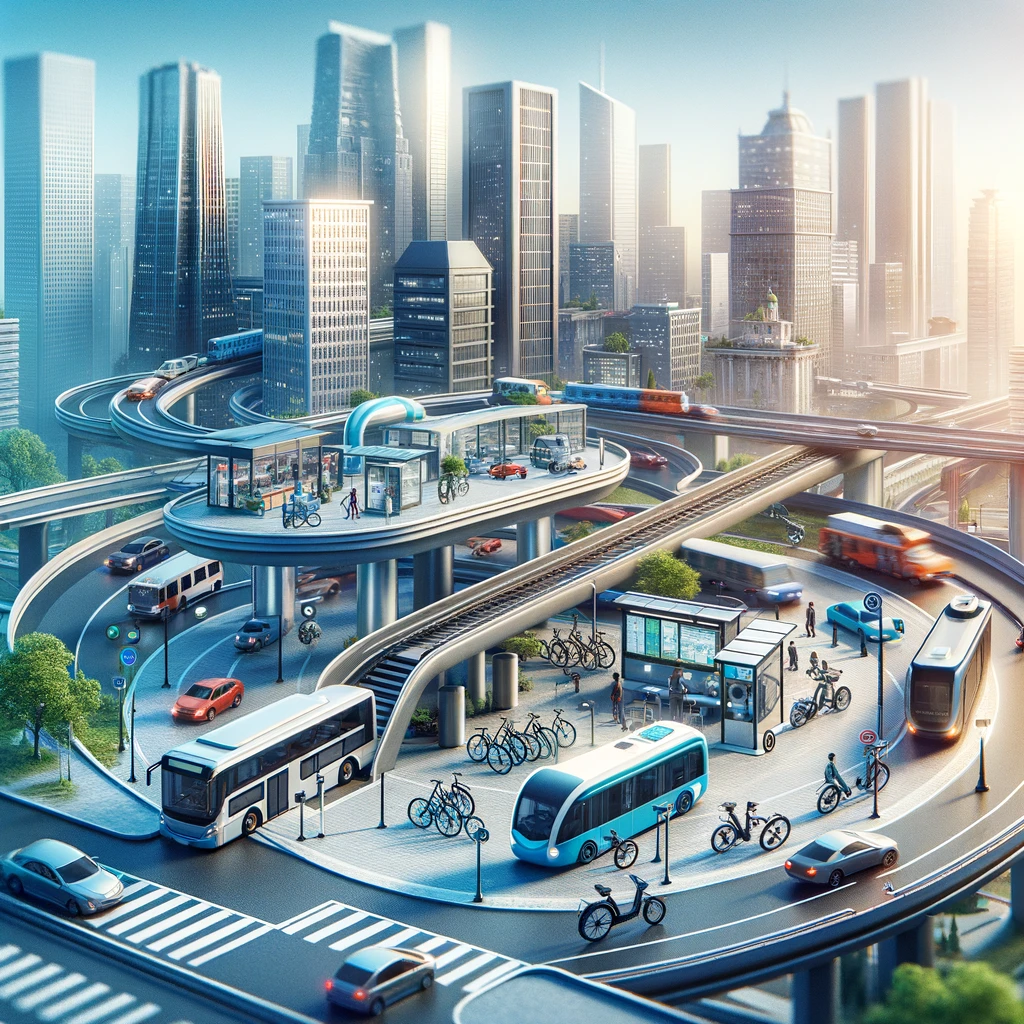
Diversity and Stability: Multimodal Mobility Solutions
Diversity is a key principle in permaculture, essential for creating stable and resilient systems.
When applied to urban mobility, this principle underscores the importance of having a diverse range of transportation options available to the public.
This variety can include well-developed public transit systems, innovative shared mobility services, and the use of personal vehicles that are non-polluting.
Each of these transportation modes plays a unique role in the overall mobility ecosystem, catering to different needs and preferences of city dwellers.
Public transit, such as buses and subways, offers efficient and cost-effective travel over longer distances within urban areas.
Shared mobility options, like bike-sharing and carpooling, provide flexible solutions for shorter trips and can help reduce the costs and environmental impact associated with private vehicle ownership.
Non-polluting personal vehicles, including electric cars and bicycles, offer the convenience of personal transport while minimizing the ecological footprint.
This multimodal approach to urban transportation reduces the over-reliance on private vehicles.
By providing a variety of transport options, it encourages people to choose the most efficient and sustainable mode for each journey, leading to less congestion and pollution.
Moreover, a diverse transport system makes the community more connected and accessible.
It ensures that all residents, regardless of their economic status or physical ability, have access to reliable transportation, which is crucial for accessing essential services and participating in community life.
In summary, embracing diversity in urban transportation systems aligns with permaculture’s principles, leading to more sustainable, efficient, and inclusive urban environments.
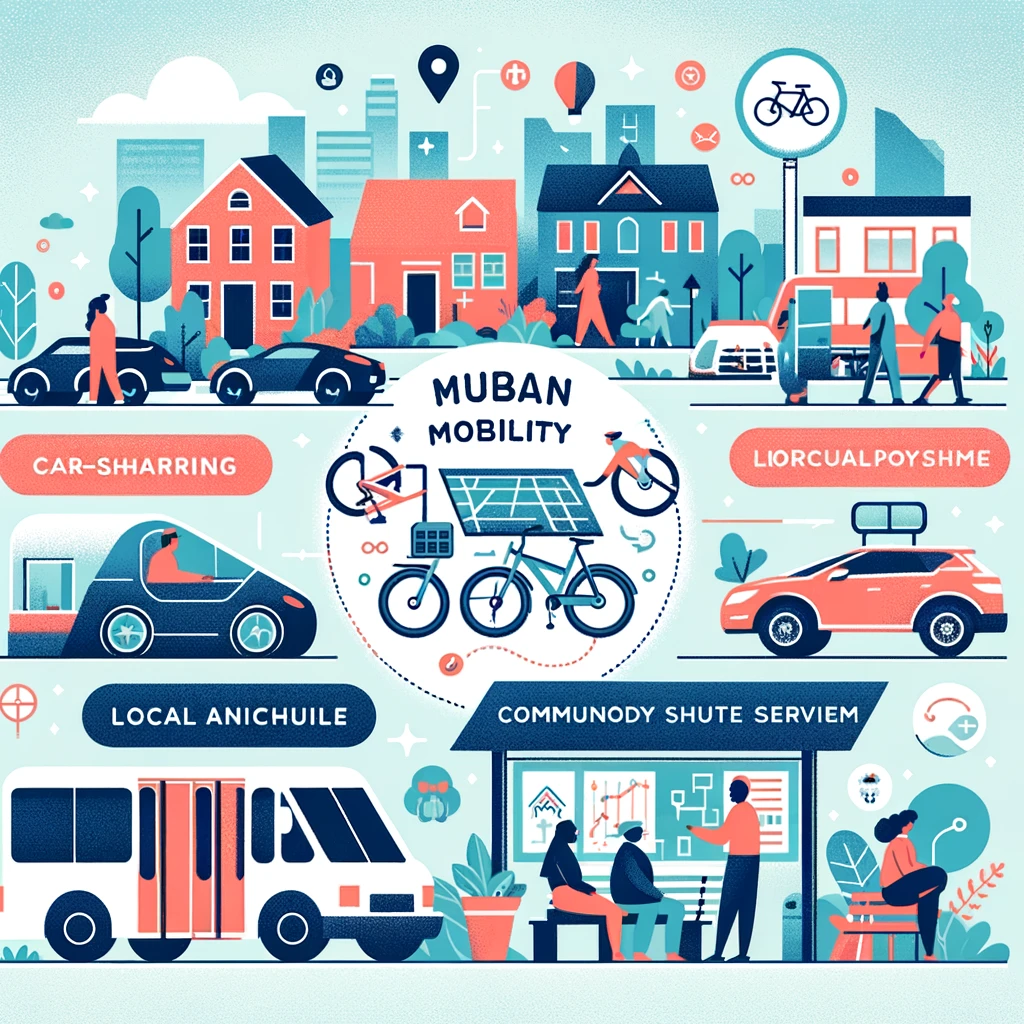
Utilizing and Valuing Local Services and Resources: Community-Based Mobility
Valuing local services is a principle that emphasizes the importance of leveraging resources available within one’s immediate environment.
In the context of mobility, this approach can have profound implications for how transportation systems are designed and operated.
One application of this principle is the utilization of locally produced vehicles.
By relying on local manufacturing, cities can reduce the environmental impact associated with transporting vehicles from distant locations.
Local production also supports the regional economy and can be tailored to meet the specific requirements of the local populace and environment.
Furthermore, vehicles designed and manufactured locally are more likely to be suited to the unique geographic and climatic conditions of the area, enhancing their efficiency and longevity.
Another aspect of valuing local services in mobility is the development of community-managed mobility programs.
These programs, tailored to the specific needs and characteristics of the community, can offer more relevant and efficient transportation solutions compared to one-size-fits-all approaches.
Community-managed programs can include initiatives like neighborhood car-sharing systems, local shuttle services, or community bike programs.
Such programs not only enhance local mobility but also foster a sense of community ownership and responsibility towards sustainable transportation practices.
By focusing on local resources and needs, cities can create more effective, sustainable, and community-oriented transportation systems that reflect and respond to the unique characteristics of each locality.

Waste Not: Reduction and Recycling in the Transportation Sector
The principle in permaculture, “waste not,” is a call to maximize efficiency and minimize waste in all aspects of life.
In the realm of urban mobility, applying this principle involves several key strategies aimed at reducing the environmental impact of transportation.
Firstly, it focuses on reducing fuel consumption.
This can be achieved through various means such as promoting the use of fuel-efficient vehicles, encouraging the adoption of electric and hybrid cars, and optimizing public transport to reduce the overall number of vehicles on the road.
Efficient driving practices and the development of advanced technologies that enhance fuel economy also play a crucial role in this effort.
Using recycled materials in vehicle production is another significant aspect of this principle.
By utilizing recycled or sustainably sourced materials, the automotive industry can significantly reduce its environmental footprint.
This approach not only conserves natural resources but also reduces the waste and pollution associated with the production of new materials.
Lastly, establishing recycling programs for end-of-life vehicles is crucial in ensuring that the components and materials of decommissioned vehicles are reused or disposed of in an environmentally friendly manner.
Such programs help prevent hazardous materials from entering the ecosystem and promote the recovery of valuable materials that can be used in the production of new vehicles or other products.
By adhering to the “waste not” principle, urban mobility systems can become more sustainable and less harmful to the environment, contributing to the overall goal of creating harmonious and sustainable urban landscapes.

Paving the Sustainable Path in Urban Mobility
In the dynamic landscape of urban mobility, a paradigm shift is underway—one that aligns with the principles of permaculture, intertwining nature and technology to create a harmonious relationship between our daily travels and the environment.
This journey goes beyond conventional transportation, delving into the realms of car rental, eco-friendly car maintenance, and innovative eco parking solutions.
As we embark on this exploration, envision a future where every aspect of our mobility contributes to a more sustainable, resilient urban ecosystem.
From the wheels we choose to drive to the spaces where we park, each decision becomes a pivotal moment in fostering a connection between the convenience of modern transportation and the imperative to preserve our planet.
Join us on this transformative journey as we unveil how sustainable car rental services, eco-friendly car maintenance practices, and innovative eco parking solutions play a crucial role in reshaping urban mobility.
It’s more than just a shift in transportation; it’s a commitment to a greener, healthier, and more balanced urban future.
Let’s dive into the sustainable path that paves the way for a more conscious and harmonious relationship between our cities and the natural world.

Car Rental: Driving Sustainability
In the ever-evolving landscape of urban mobility, sustainable practices are taking the wheel.
Explore how the car rental industry is steering towards a greener tomorrow, embracing eco-friendly vehicles, efficient operations, and community-driven initiatives.
Car rental services are becoming catalysts for change, offering eco-conscious consumers a diverse fleet of fuel-efficient and electric vehicles.
With a focus on reducing carbon footprints, these services contribute to the broader vision of sustainable urban mobility.
Discover how renting a car can now be an environmentally responsible choice, aligning with permaculture principles and fostering a more harmonious relationship between transportation and nature.
Join the journey towards sustainable mobility by choosing eco-friendly car rental services.
It’s not just about reaching your destination—it’s about getting there responsibly, contributing to a cleaner, greener urban future.
Elevate Your Drive, Embrace Sustainability!
Ready to transform your travels into a sustainable adventure?
Discover a new way to explore the world with our eco-conscious Rent-A-Car service!
Explore Responsibly, Drive Sustainably
Experience the freedom of the open road while minimizing your environmental impact. Choose from our diverse range of eco-friendly vehicles for a guilt-free journey.
Support Green Initiatives, One Rental at a Time
By opting for our service, you contribute to eco-friendly practices and help create a cleaner, greener urban environment. Your choice matters—make it count.
Effortless Booking, Responsible Driving
Booking a car with us is not just a reservation; it’s a conscious decision to drive responsibly.
Enjoy the ease of modern transportation with a sustainable twist.
Your Sustainable Adventure Starts Here
Embark on a journey that prioritizes both exploration and environmental stewardship.
Book your eco-friendly ride today and let every mile be a step towards a more sustainable future.
Elevate Your Drive, Embrace Sustainability
Make your mark on the road, not on the environment.
Choose a sustainable ride that reflects your commitment to a healthier, more balanced world.

Eco-Friendly Car Maintenance: Driving Clean and Green
Beyond the road, the sustainability journey continues under the hood.
Explore the world of eco-friendly car maintenance, where innovation meets environmental stewardship to keep our vehicles running smoothly without compromising the planet’s health.
Eco-friendly car maintenance goes beyond oil changes and tire rotations.
It involves the use of environmentally friendly products, energy-efficient facilities, and a commitment to minimizing waste.
Discover how adopting green practices in car maintenance not only extends the life of vehicles but also ensures that every maintenance task aligns with the principles of permaculture, contributing to a more sustainable urban landscape.
Next time your vehicle needs attention, choose eco-friendly car maintenance for a cleaner, greener driving experience.
Embrace a responsible approach that aligns with the natural order, ensuring your vehicle is not just efficient but environmentally conscious.

Eco Parking: Paving the Way for Green Mobility
As we re-imagine urban spaces, the concept of eco-friendly parking takes center stage.
Explore how innovative parking solutions contribute to sustainable urban living, offering more than just a spot for your vehicle—they provide a gateway to a greener, healthier future.
Eco parking solutions leverage smart technology and green design to minimize their environmental impact.
From solar-powered charging stations for electric vehicles to permeable surfaces that reduce water runoff, these parking innovations align with permaculture principles.
Dive into the world of eco parking and discover how these spaces contribute to the overall sustainability of urban mobility, creating a seamless blend of nature and technology.
Your journey towards sustainability doesn’t end when you park your vehicle.
Choose eco-friendly parking options to be part of a movement that envisions urban spaces not just as places for vehicles but as contributors to a thriving, green ecosystem.
Conclusion: Uniting Forces for a Sustainable Future
By incorporating permaculture principles into mobility, we are defining a new paradigm for the transportation sector—one that is sustainable, efficient, and in harmony with the environment.
This approach not only addresses current environmental challenges but also paves the way for a future where we live in closer equilibrium with our planet.
With each step in this direction, we move closer to a world where sustainable mobility is not just an idea, but a daily reality.
About the Author Giuseppe Tallarico
Discover how Giuseppe Tallarico, an agronomist dissatisfied with office life, transformed his passion for nature into a regenerative revolution. Leaving behind a career in the corporate sector, Giuseppe followed his heart towards permaculture. His transformation from a professional in quality and environmental fields to an innovator in regenerative agriculture has been an inspiring journey. Through founding the Urban Permaculture Laboratory and teaching, Giuseppe has created a lasting impact in the community and the world of permaculture. Join Giuseppe in his courses, consultancy work, and innovative projects to explore how you too can make a difference. Discover his blog articles, evoking images, sounds, and emotions, immersing you in the world of regenerative agriculture. Unlock Sustainable Solutions with Giuseppe Tallarico - Explore Here!