
- You are here:
- Home »
- Permaculture & Homesteading »
- Embracing Nature’s Balance: The Role of Permaculture in Mosquito Management
Embracing Nature’s Balance: The Role of Permaculture in Mosquito Management
As summer approaches, the warm weather invites us outdoors, but it also brings along a less welcome guest—mosquitoes.
These tiny pests can disrupt even the most idyllic of summer evenings, whether you’re enjoying a quiet moment in your garden or hosting a backyard gathering.
In permaculture, we understand that every creature has its place in the ecosystem, but managing mosquitoes is essential for maintaining the balance without harming the environment.
Understanding Mosquitoes in the Ecosystem
Mosquitoes thrive in warm weather and stagnant water, making them particularly active during summer.
While they play a role in the food chain, serving as food for birds and other insects, their ability to spread diseases like West Nile virus and malaria makes them a health hazard.
In permaculture, we strive to manage pests in ways that are sustainable and eco-friendly, integrating mosquito control into a broader strategy of maintaining a healthy, balanced environment.
Integrated Pest Management in Permaculture
Instead of relying solely on extermination, permaculture encourages a holistic approach to mosquito management.
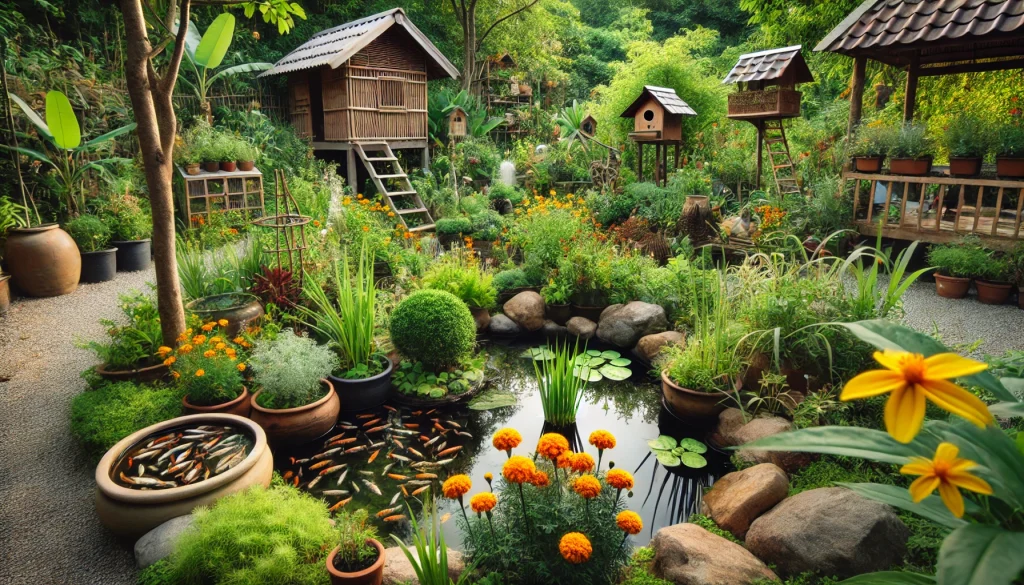
This involves creating environments that naturally reduce mosquito populations, such as encouraging biodiversity and promoting the presence of natural mosquito predators like bats, birds, and dragonflies.
Hiring a mosquito pest exterminator can significantly reduce the mosquito population around your home.
These professionals use targeted treatments to eliminate breeding sites and adult mosquitoes. A comprehensive approach ensures that both visible and hidden mosquito habitats are treated.
Water management is also key; by eliminating stagnant water where mosquitoes breed, we can significantly reduce their numbers without disrupting the ecosystem.
A Day in the Life of a Permaculture Practitioner
Imagine starting your day by surveying your garden, much like a mosquito exterminator, but with a permaculture twist.
You would look for areas of standing water and introduce plants that naturally repel mosquitoes, such as citronella, marigolds, and lemongrass.
Additionally, setting up birdhouses or bat boxes can attract natural predators that help keep mosquito populations in check.
This proactive approach aligns with permaculture principles by working with nature, rather than against it.
Success Stories in Permaculture Mosquito Management
Consider Sarah, who transformed her lakeside property into a permaculture haven.
By planting mosquito-repelling flora and installing a pond with fish that feed on mosquito larvae, she drastically reduced the mosquito population.
Her children now enjoy playing outside without being constantly bitten, and her garden thrives with the added biodiversity.
Eco-Friendly Mosquito Control Methods
Permaculture emphasizes the use of natural and non-toxic methods for pest control.
Understanding the science of mosquito control can make you appreciate the work of exterminators even more.
Mosquitoes have a complex life cycle that includes egg, larva, pupa, and adult stages.
Exterminators use their knowledge of this cycle to time treatments effectively.
By targeting mosquitoes at various stages, they ensure a more comprehensive eradication.
For instance, Bacillus thuringiensis israelensis (Bti) is a biological larvicide that targets mosquito larvae specifically without harming other wildlife.
This method, along with encouraging natural predators, forms an effective mosquito management strategy that aligns with environmental values.
Continuous and Sustainable Management
In permaculture, continuous observation and adjustment are crucial.
Regularly monitoring your environment and making necessary adjustments—such as maintaining water flow to prevent stagnation and rotating mosquito-repelling plants—ensures that your mosquito management strategy remains effective throughout the season.
This ongoing care mirrors the permaculture principle of working with natural cycles.
The Environmental and Economic Benefits
Investing time and resources in permaculture-based mosquito management not only protects your family’s health but also enhances the resilience of your garden.
By using sustainable methods, you reduce the need for chemical treatments, thus saving money and preserving the integrity of your ecosystem.
This approach offers long-term benefits, both environmentally and economically.
Personal Experiences in Permaculture Practice
John, who once battled with mosquitoes during his summer cookouts, found relief through permaculture practices.
By incorporating water features with mosquito-eating fish and planting a variety of mosquito-repelling plants, he turned his yard into a mosquito-free zone.
Now, his family enjoys outdoor activities without the nuisance of buzzing insects, all while supporting a healthier ecosystem.
Conclusion: Harmonizing with Nature for a Mosquito-Free Summer
In permaculture, every action is taken with the whole system in mind.
Managing mosquitoes is no exception.
By integrating sustainable practices into your mosquito control strategy, you not only protect your family and garden but also contribute to the health of the broader environment.
This summer, embrace permaculture principles to create a mosquito-free space that enhances your connection with nature rather than fighting against it.
About the Author Giuseppe Tallarico
Discover how Giuseppe Tallarico, an agronomist dissatisfied with office life, transformed his passion for nature into a regenerative revolution. Leaving behind a career in the corporate sector, Giuseppe followed his heart towards permaculture. His transformation from a professional in quality and environmental fields to an innovator in regenerative agriculture has been an inspiring journey. Through founding the Urban Permaculture Laboratory and teaching, Giuseppe has created a lasting impact in the community and the world of permaculture. Join Giuseppe in his courses, consultancy work, and innovative projects to explore how you too can make a difference. Discover his blog articles, evoking images, sounds, and emotions, immersing you in the world of regenerative agriculture. Unlock Sustainable Solutions with Giuseppe Tallarico - Explore Here!