
- You are here:
- Home »
- Permaculture & Homesteading »
- Wofati and Walipini: A Sustainable Eco-Vision Guided by Permaculture Principles

Wofati and Walipini: A Sustainable Eco-Vision Guided by Permaculture Principles
Introduction
In the realm of sustainable construction and permaculture principles, Wofati and Walipini emerge as revolutionary solutions that blend practical construction with environmental harmony.
Inspired by the genius of Mike Oehler, these innovations offer a unique perspective on sustainable living and resilient agriculture.
Wofati: Sustainable Living in Harmony with Nature
Imagine dwelling in a structure resembling a log cabin, but brighter, self-sufficient in terms of thermal needs, built in shorter times, and at affordable costs.
This is the essence of Wofati, an approach embracing permaculture, fostering a deeper connection with nature by adhering to the fundamental principles of permaculture.
Walipini: An Introduction to Regenerative Agriculture
Transitioning to the agricultural sector, Walipini presents itself as an intriguing option.
This semi-underground structure, inspired by permaculture principles, provides an opportunity to cultivate food resiliently, utilizing the earth’s thermal heat to extend the growing season.
The Walipini seamlessly fits into the permaculture vision, integrating intelligent design with agricultural sustainability.
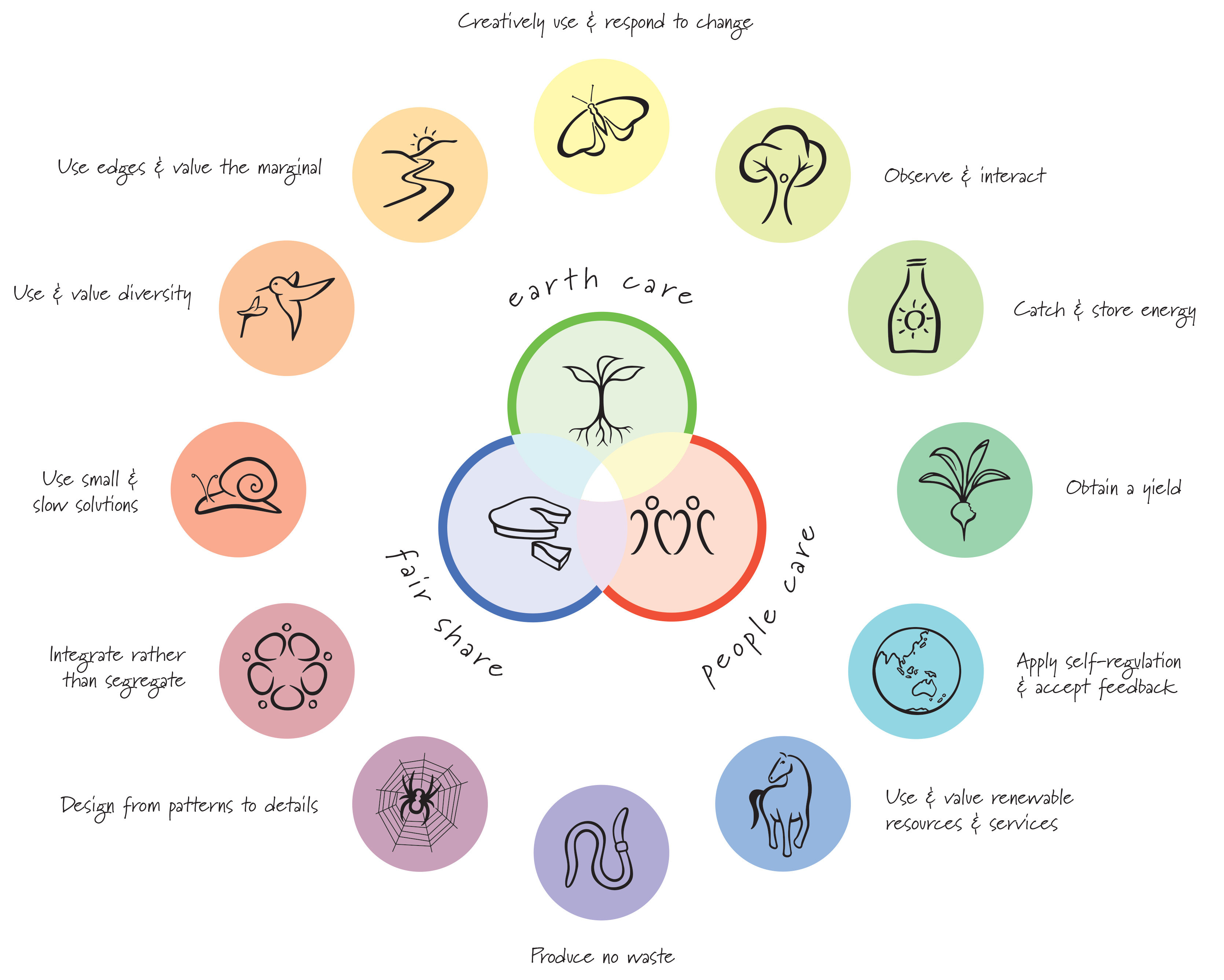
Permaculture Principles Applied to Wofati and Walipini
Observe and Interact
“Observe and Interact” is a fundamental principle of permaculture, and it serves as the cornerstone for the development of innovative structures like Wofati and Walipini.
Derived from keen observations of the natural environment, these structures are carefully designed to interact harmoniously with the landscape, responding thoughtfully to the unique characteristics and challenges presented by the site.
Wofati, for instance, is a result of meticulous observations of eco-building practices and sustainable forestry.
Mike Oehler, the creator of Wofati, initially lived in a suboptimal shelter, prompting him to analyze the surroundings and formulate a better living solution.
This introspective observation led to the birth of Wofati, a structure that not only addresses the shortcomings of conventional construction but also integrates seamlessly with wooded landscapes.
The design is a testament to the “Observe and Interact” principle, as it reflects a deep understanding of the materials available on-site and the specific requirements for sustainable living.
Similarly, the concept of Walipini emerges from observing the challenges of traditional farming in harsh climates.
By recognizing the need for extended growing seasons and protection from unpredictable weather, the Walipini design was born.
The observation of these specific challenges led to the development of an underground greenhouse that maximizes solar gain and shields crops from external elements.
This innovative solution, rooted in the permaculture principle of “Observe and Interact,” exemplifies a thoughtful response to environmental conditions.
In essence, both Wofati and Walipini showcase the power of keen observation and intentional interaction with the environment.
These structures are not generic solutions but rather tailored responses to the intricacies of the land, embodying the essence of permaculture principles in sustainable design and eco-friendly living.
Capture and Store Energy
The fundamental permaculture principle of “Capture and Store Energy” serves as a guiding force behind both Wofati and Walipini, as they ingeniously harness the power of the sun to fulfill various needs within the structures.
Wofati, in its innovative design, efficiently captures and stores solar energy to provide natural heating.
The structure’s strategic orientation, combined with the use of materials like glass for windows, allows for optimal sunlight exposure.
The building’s thermal mass, typically created by layers of dirt and insulation, efficiently stores this captured solar energy.
During the day, sunlight permeates the space, and the thermal mass retains the heat.
As the temperature drops in the evening, the stored energy is gradually released, maintaining a comfortable and naturally heated environment.
This process exemplifies a sustainable approach to energy use, aligning with permaculture principles.
Similarly, the Walipini, being an underground greenhouse, maximizes the capture and storage of solar energy for agricultural purposes.
The transparent roof structure allows sunlight to penetrate the enclosed space, creating a warm and favorable environment for plant growth.
The surrounding earth provides natural insulation, helping to retain the captured solar heat during cooler periods.
This method not only extends the growing season but also reduces the dependency on external energy sources for maintaining optimal conditions for crops.
In essence, both Wofati and Walipini showcase an intelligent integration of the “Capture and Store Energy” principle.
By leveraging the abundant and renewable energy from the sun, these structures exemplify sustainable and eco-friendly solutions that align with permaculture values.
Obtain a Yield
The permaculture principle of “Obtain a Yield” is seamlessly integrated into the Wofati design, emphasizing a focus on high productivity and efficiency to provide a swift and cost-effective housing solution.
Wofati’s innovative approach to construction emphasizes obtaining multiple yields beyond just shelter.
The design is optimized for quick and economical building processes, utilizing materials readily available on-site or through sustainable practices.
By incorporating principles of permaculture, Wofati not only yields a shelter but also offers environmental benefits and resource efficiency.
The use of natural and locally sourced materials aligns with permaculture ethics, minimizing the environmental impact associated with traditional construction methods.
Wofati’s emphasis on simplicity, affordability, and speed in building resonates with the permaculture goal of obtaining valuable yields while working in harmony with the environment.
In essence, Wofati, by adhering to the “Obtain a Yield” principle, exemplifies a holistic approach to construction that goes beyond the immediate need for shelter, offering multiple benefits and yields that contribute to a more sustainable and regenerative living environment.
Apply Self-Regulation and Accept Feedback
The principle of “Apply Self-Regulation and Accept Feedback” in permaculture finds a robust application in both the Wofati and Walipini designs.
These approaches embrace self-regulating systems, demonstrating a commitment to minimizing environmental impact and adapting harmoniously to the specific conditions of the site.
In the Wofati design, self-regulation is evident in its use of natural materials and the integration of the surrounding environment.
The structure adapts to the feedback provided by the site, ensuring minimal disruption to the ecosystem.
Wofati’s emphasis on utilizing materials available on-site and incorporating sustainable building practices aligns with the permaculture principle of self-regulation, acknowledging the importance of working in tandem with nature.
Similarly, the Walipini design incorporates self-regulating elements to create an environment conducive to optimal plant growth.
The semi-underground greenhouse structure allows for natural temperature regulation, harnessing the thermal mass of the earth.
By accepting feedback from the climate and adjusting accordingly, the Walipini promotes a self-regulating system that maximizes energy efficiency and minimizes the need for external inputs.
In essence, both Wofati and Walipini exemplify the permaculture principle of self-regulation by adopting designs that respond to feedback from their respective environments.
This ensures a sustainable and adaptable approach that aligns with the core values of permaculture.
Use and Value Renewable Resources and Services
The permaculture principle of “Use and Value Renewable Resources and Services” is deeply embedded in both Wofati and Walipini designs, showcasing a commitment to sustainability by incorporating local materials and minimizing reliance on external resources.
Wofati, in its construction, emphasizes the use of renewable resources sourced directly from the local environment.
The building process incorporates materials such as wood, earth, and other natural elements, avoiding excessive dependence on non-renewable resources.
By valuing the renewable resources available on-site, Wofati aligns with the permaculture ethic of promoting ecological balance and resilience.
Similarly, the Walipini design focuses on utilizing renewable resources and services within its ecosystem.
The greenhouse structure is often built with locally available materials, reducing the ecological footprint associated with transportation and manufacturing.
By relying on the natural thermal mass of the earth and solar energy for heating, Walipini exemplifies the permaculture principle by emphasizing the use of renewable resources in its operation.
In summary, both Wofati and Walipini models exemplify the permaculture principle of utilizing and valuing renewable resources and services.
By integrating local materials and minimizing external inputs, these designs contribute to a more sustainable and regenerative approach to construction and agriculture.
Design from Patterns to Details and Respond to Change
The permaculture principles of “Design from Patterns to Details” and “Respond to Change” are fundamental to both Wofati and Walipini designs.
These concepts emphasize efficient, holistic design patterns that can adapt to evolving environmental conditions and the changing needs of occupants.
“Design from Patterns to Details” involves recognizing larger patterns in the natural environment and creating designs that work harmoniously within those patterns.
In the case of Wofati and Walipini, the structures are intricately designed to align with the patterns of the surrounding landscape, climate, and ecological systems.
This holistic approach ensures that the details of the design are in sync with the broader patterns of the environment.
“Respond to Change” is a principle that acknowledges the dynamic nature of ecosystems and encourages adaptability in design.
Wofati and Walipini, by their nature, respond to changes in weather, seasons, and the overall environment.
For instance, the greenhouse effect in Walipini can be adjusted based on changing temperature requirements for plants.
Wofati structures, with their flexible designs, can cater to evolving needs of inhabitants and changing environmental conditions.
In essence, both Wofati and Walipini exemplify permaculture principles by starting with overarching patterns in their design and having the capacity to respond to changes over time.
This adaptability ensures that these structures remain in harmony with the natural world and continue to meet the needs of both humans and the environment.
Implementation Phases – Building Wofati and Walipini
Building Wofati
Site Analysis
Conduct a thorough analysis of the site, considering factors such as sunlight exposure, topography, and natural resources.
Material Sourcing
Prioritize local materials, emphasizing those available on-site or nearby to reduce the environmental footprint.
Construction Planning
Develop a detailed construction plan, incorporating Wofati design principles and considering the site-specific requirements.
Wall Construction
Build the log pole structure for exterior walls, emphasizing the importance of using untreated wood for environmental sustainability.
Membrane Application
Apply waterproof membrane layers, utilizing cost-effective materials such as polyethylene or recycled billboard material.
Roof Construction
Implement the Wofati roof design, using local wood and cost-efficient materials to achieve an eco-friendly and affordable solution.
Building Walipini
Site Selection
Choose a suitable location with proper sunlight exposure and considerate of the overall landscape.
Excavation
Dig the trench for the Walipini structure, ensuring proper dimensions and accounting for thermal mass requirements.
Frame Construction
Build the frame using locally sourced materials, emphasizing the importance of structural integrity for longevity.
Membrane Installation
Apply the waterproof membrane layers, choosing materials like polyethylene or EPDM pond liner for durability.
Backfilling and Thermal Mass
Fill the trench with soil, incorporating dry and wet layers for effective thermal mass and insulation.
Ventilation Integration
Include ventilation tubes as needed, enhancing airflow for temperature regulation, especially in Walipini coolers or freezers.
Conclusion
Wofati and Walipini epitomize a tangible connection between dwelling and cultivating in harmony with nature, incorporating permaculture principles.
These innovative solutions testify that sustainable housing and agriculture can be achieved through awareness, contextual observation, and the creation of balanced ecosystems.
In a rapidly changing world, Wofati and Walipini guide us towards a future of sustainable living, aligned with the ethical principles of permaculture.
Discover the Art of Woodworking! Sign up now to receive our exclusive guide – The Art of Woodworking
If you’re passionate about the world of woodcraft and eager to learn engaging techniques, join our community.
With our detailed guide, we’ll walk you through the secrets of woodworking, from cutting to finishing.
Now is the perfect time to embark on your journey into the wonderful world of woodworking!
What the guide includes:
- Step-by-step instructions to create unique wood projects.
- Professional tips and expert tricks.
- Information on essential tools and advanced techniques.
Join us as we explore the fascinating universe of wood and discover how to turn your passion into tangible masterpieces.
Don’t miss the opportunity to enhance your woodworking skills!
The Art of Woodworking – where creativity meets craftsmanship.
About the Author Giuseppe Tallarico
Discover how Giuseppe Tallarico, an agronomist dissatisfied with office life, transformed his passion for nature into a regenerative revolution. Leaving behind a career in the corporate sector, Giuseppe followed his heart towards permaculture. His transformation from a professional in quality and environmental fields to an innovator in regenerative agriculture has been an inspiring journey. Through founding the Urban Permaculture Laboratory and teaching, Giuseppe has created a lasting impact in the community and the world of permaculture. Join Giuseppe in his courses, consultancy work, and innovative projects to explore how you too can make a difference. Discover his blog articles, evoking images, sounds, and emotions, immersing you in the world of regenerative agriculture. Unlock Sustainable Solutions with Giuseppe Tallarico - Explore Here!