
- You are here:
- Home »
- Community Resilience »
- A Hopeful Guide: Permaculture’s Principles Amid Pandemics
A Hopeful Guide: Permaculture’s Principles Amid Pandemics
The Call for Sustainable Harmony
As we grapple with the ramifications of ongoing pandemics, the principles of permaculture stand out as a guiding light, proposing an alternative that is both sustainable and holistic.
The emergence of diseases such as COVID-19 serves as a stark reminder of the profound consequences our actions have on the planet.
These outbreaks are not isolated incidents but the result of a complex web of ecological disruptions caused by human activity.
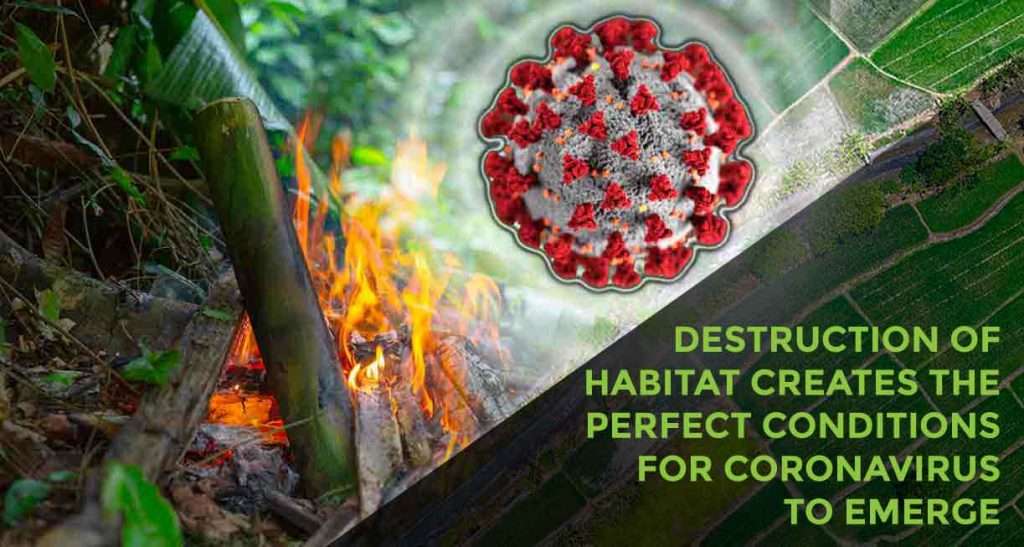
The destruction of natural habitats, the exploitation of wildlife, and the degradation of ecosystems have all contributed to creating environments where pandemics can arise and thrive.
Permaculture, with its foundation in working with, rather than against, nature, offers a roadmap for navigating these challenges.
Its core principles — care for the earth, care for people, and fair share — encourage practices that foster ecological balance and sustainability.
By emphasizing the importance of designing agricultural and social systems that mimic the natural world, permaculture provides strategies for resilience that reduce our vulnerability to diseases.
The recent coronavirus health crisis has highlighted the urgent need for a paradigm shift in how we interact with our environment.
It calls for a transition from exploitative practices to those that respect and preserve the intricate networks of life that sustain us.
Permaculture teaches us to observe and learn from nature, advocating for a model of coexistence that values biodiversity and the essential services ecosystems provide, such as clean air, water, and soil fertility.
Adopting permaculture’s approach means reevaluating our food systems, urban planning, and economic models to prioritize sustainability and community well-being over profit and growth.
It involves creating systems that are adaptable and resilient, capable of withstanding shocks and stresses without collapsing into disorder.
In essence, permaculture’s ethos addresses the underlying causes of pandemics by promoting a lifestyle that is in harmony with the earth.
This alignment not only aims to mitigate the immediate threats posed by diseases but also acts as a preventive measure against future crises.
By embracing permaculture’s principles, we can forge a path toward a future where human health and environmental stewardship are interdependent, ensuring a healthier planet and a more resilient human society.

The Human Impact: Altering Disease Dynamics
Human activities have drastically reshaped the face of our planet, often with dire consequences for both wildlife and human populations.
Deforestation, urbanization, and intensive agriculture are among the primary forces driving the transformation of natural habitats into fragmented and degraded landscapes.
These changes not only result in the loss of biodiversity but also significantly increase the interfaces where humans and wildlife come into contact, creating ripe conditions for the emergence and spread of zoonotic diseases—illnesses that are transmitted from animals to humans.
Deforestation, for instance, strips away the natural barriers between human settlements and wild animals, forcing wildlife to migrate and potentially bring diseases into closer proximity with humans.
Urbanization further exacerbates this issue by encroaching on natural areas and concentrating human populations in dense settlements, where diseases can spread more rapidly.
Intensive agriculture, particularly livestock farming, often involves keeping large numbers of animals in close quarters, which can be breeding grounds for diseases that may jump to humans.
This reality starkly contrasts with the principles of permaculture, which emphasize living in harmony with nature.
Permaculture advocates for observing natural processes and integrating human activities within these cycles in a way that supports ecosystem health and resilience.
This includes promoting biodiversity, which is crucial for a balanced ecosystem, as diverse species play different roles in the ecological web, including disease regulation.
Biodiversity acts as a buffer, limiting the spread of pathogens and reducing the likelihood of outbreaks.
Permaculture principles challenge us to rethink our approach to land use and agriculture.
Instead of clear-cutting forests for monoculture crops or urban development, permaculture suggests designing multifunctional landscapes that mimic natural ecosystems.
These systems can support human needs while preserving habitat for wildlife, thus minimizing conflict and reducing the risk of disease transmission.
For agriculture, this means moving away from intensive practices in favor of polycultures and agroforestry, which not only sustain a greater variety of life but also improve soil health and resilience against pests and diseases.
The contradiction between current human activities and permaculture’s ethos highlights a critical need for change.
By aligning more closely with permaculture principles, we can begin to repair our relationship with the natural world, creating conditions where humans and wildlife can coexist without the looming threat of pandemic diseases.
Cultivating biodiversity, respecting natural habitats, and designing our lives and systems with nature’s patterns in mind are steps towards healthier, more resilient ecosystems and societies.
Learning from the Past: Lessons in Biodiversity
The Ebola outbreak, a devastating event with far-reaching consequences, illustrates the severe repercussions of human encroachment on natural habitats.
This tragic episode underscores the delicate balance between human societies and the natural world, highlighting how disruptions in this equilibrium can lead to catastrophic health crises.
Through the perspective of permaculture, a sustainable and regenerative approach to living with the land, we can glean valuable insights into how to prevent such outbreaks in the future.
Permaculture, with its emphasis on integrated pest management (IPM) and biodiversity, offers a compelling framework for addressing the root causes of zoonotic diseases.
IPM, a cornerstone of permaculture, advocates for managing pests in an environmentally friendly way that maintains the health of ecosystems.
Rather than relying on harmful chemicals and interventions that disrupt natural processes, IPM focuses on creating conditions that are unfavorable for pests but beneficial for the ecosystem as a whole.
This approach can be applied to managing disease vectors and reservoirs in wildlife populations, potentially reducing the risk of disease transmission to humans.
Furthermore, permaculture places a strong emphasis on the promotion of biodiversity.
Biodiverse ecosystems are more resilient and stable, capable of withstanding and recovering from disturbances.
A variety of species within an ecosystem means that there are natural predators and checks for any one species, including those that may carry diseases.
By maintaining high levels of biodiversity, the likelihood of any single pathogen spreading uncontrollably and spilling over into human populations is significantly reduced.
The proactive approach advocated by permaculture involves not only preventing the degradation of natural habitats but also actively working to restore and preserve them.
This means reforesting areas that have been cleared, rehabilitating wetlands and other crucial habitats, and designing human settlements and agricultural practices that coexist harmoniously with the natural world.
Such measures ensure the preservation of ecosystem balance and function, which is essential for preventing the emergence and spread of diseases.
The tragedy of the Ebola outbreak, therefore, serves as a powerful lesson in the importance of respecting the natural world and its intricate systems.
By adopting permaculture principles and practices, humanity can take significant strides toward preventing the spillover of diseases from wildlife to humans.
It calls for a shift in perspective from one of dominance and exploitation to one of stewardship and cooperation, recognizing that the health of the human species is inextricably linked to the health of the planet.

Strategies for the Future: Permaculture-Inspired Solutions
To effectively counteract the looming threat of future pandemics, it is crucial to integrate permaculture-inspired strategies into our global and local health and environmental policies.
The permaculture philosophy, which emphasizes sustainability, resilience, and the interdependence of all life forms, offers valuable insights into how we can prevent the spread of infectious diseases and maintain the health of our planet.
Conservation of Natural Habitats
One of the foundational principles of permaculture is to work with nature rather than against it.
The conservation of natural habitats is vital in maintaining biodiversity and ecosystem services that are essential for the health of the planet and its inhabitants.
By protecting natural areas, we reduce the risk of human-wildlife contact that can lead to the transmission of zoonotic diseases.
Creating and enforcing protected areas, restoring degraded ecosystems, and implementing sustainable land-use practices are all permaculture-aligned strategies that help preserve our natural heritage.

Regulation of Wildlife Markets
The regulation of wildlife markets is another critical area where permaculture principles can be applied.
These markets, where live animals are often kept in close quarters and sold for consumption, can be hotspots for the emergence of new diseases.
Permaculture advocates for ethical and sustainable interaction with wildlife, emphasizing the importance of biodiversity and the intrinsic value of all living beings.
By regulating or transforming these markets and adopting more sustainable food systems, we can reduce the risk of disease spillover events while also promoting animal welfare and ecological balance.

Enhancement of Global Health Surveillance
Permaculture teaches us the importance of observation and responsiveness to feedback.
In the context of pandemic prevention, this translates into the need for robust global health surveillance systems that can detect outbreaks early and track their spread.
By investing in and enhancing these systems, we can ensure a swift and effective response to potential pandemics, minimizing their impact on human health and economies.
Collaborative international efforts, data sharing, and the integration of technology can all play roles in creating a more resilient global health infrastructure.

Embracing Incremental, Manageable Solutions
True to permaculture’s ethos, the fight against pandemics requires incremental and manageable solutions rather than quick fixes.
Building resilience against pandemics is a long-term process that involves strengthening health systems, investing in research and development, and educating communities about sustainable practices.
This approach ensures that solutions are adaptable and can evolve over time to meet new challenges.
Self-Regulation and Adaptability
Finally, the principles of self-regulation and adaptability are crucial in pandemic prevention.
Societies and individuals must be willing to adjust behaviors and practices in response to environmental feedback and emerging health threats.
This could mean changing consumption habits, adopting new agricultural practices, or shifting towards more sustainable modes of living.
By aligning our strategies with permaculture’s guiding principles, we can navigate towards a future that prioritizes the well-being of all beings and the planet we share.
It is through this holistic approach that we can hope to mitigate the threat of future pandemics and ensure a healthier, more sustainable world for generations to come.

A Holistic Path Forward
Permaculture’s principles offer a holistic framework that extends beyond agriculture, touching upon critical aspects of public health, ecosystem preservation, and societal well-being.
By adhering to the ethics of earth care, people care, and fair share, permaculture presents a viable approach to mitigating the root causes of pandemics, which often stem from environmental degradation and unsustainable human activities.
Earth Care
At the heart of pandemic prevention is the care for our planet.
Healthy ecosystems are less likely to harbor diseases that can jump to humans.
Conserving forests, wetlands, and other natural habitats reduces the chances of zoonotic diseases by maintaining the natural barriers between humans and disease reservoirs in wildlife.
Permaculture encourages us to restore damaged ecosystems, promote biodiversity, and engage in agriculture and living practices that enhance the health of the earth.
People Care
Protecting human health is intrinsically linked to how we treat our environment.
Permaculture advocates for creating sustainable communities that have access to nutritious food, clean water, and clean air — all of which are foundational to preventing disease.
By designing our living spaces and food systems to mimic natural ecosystems, we can create environments that nurture human health and reduce our vulnerability to outbreaks.
Fair Share
The principle of fair share emphasizes the importance of equity and justice in the distribution of resources.
In the context of pandemic prevention, this means ensuring that all people, regardless of their geographic location or economic status, have access to the means to live healthily and sustainably.
It also means curbing excessive consumption and waste, which contribute to environmental pressure and habitat destruction, further increasing the risk of pandemics.
By adopting sustainable practices, such as regenerative agriculture, renewable energy, and waste reduction, we align our actions with these principles, addressing not only the environmental but also the social determinants of health.
This integrated approach is essential for tackling the complex web of factors that contribute to pandemics.
Envisioning a future where the harmony between humans, animals, and the environment is not just an ideal but a reality requires a commitment to these principles.
It involves rethinking our values and the ways we interact with the world around us, moving from exploitation to stewardship, from indifference to compassion, and from division to unity.
About the Author Giuseppe Tallarico
Discover how Giuseppe Tallarico, an agronomist dissatisfied with office life, transformed his passion for nature into a regenerative revolution. Leaving behind a career in the corporate sector, Giuseppe followed his heart towards permaculture. His transformation from a professional in quality and environmental fields to an innovator in regenerative agriculture has been an inspiring journey. Through founding the Urban Permaculture Laboratory and teaching, Giuseppe has created a lasting impact in the community and the world of permaculture. Join Giuseppe in his courses, consultancy work, and innovative projects to explore how you too can make a difference. Discover his blog articles, evoking images, sounds, and emotions, immersing you in the world of regenerative agriculture. Unlock Sustainable Solutions with Giuseppe Tallarico - Explore Here!